Karol Wojtyła was born in Wadowice on 18 May 1920. His early life was marked by profound loss: the death of his mother Emilia when he was nine, and of his older brother Edmund, a physician, who died prematurely three years later; his sister Olga had died shortly after birth in 1916. These experiences of suffering shaped his sensitivity and deepened his faith. After being widowed, his father, Karol Wojtyła senior, played a key role, dedicating himself to a life of constant prayer and becoming the first and most important role model for his son.
FOUNDATION
'/%3e%3cpath%20d='M106.263%2055.6572C118.904%2056.018%20129.442%2045.9903%20129.8%2033.2598C130.158%2020.5292%20120.201%209.91652%20107.561%209.55569C94.9198%209.19486%2084.3819%2019.2225%2084.0236%2031.9531C83.6653%2044.6837%2093.6223%2055.2963%20106.263%2055.6572Z'%20fill='url(%23paint1_linear_1843_155)'/%3e%3cpath%20d='M68.5454%2055.6572C81.1862%2056.018%2091.7241%2045.9903%2092.0824%2033.2598C92.4407%2020.5292%2082.4837%209.91652%2069.8428%209.55569C57.202%209.19486%2046.6641%2019.2225%2046.3059%2031.9531C45.9476%2044.6837%2055.9045%2055.2963%2068.5454%2055.6572Z'%20fill='url(%23paint2_linear_1843_155)'/%3e%3cdefs%3e%3clinearGradient%20id='paint0_linear_1843_155'%20x1='16.1909'%20y1='16.3074'%20x2='48.8019'%20y2='48.6885'%20gradientUnits='userSpaceOnUse'%3e%3cstop%20stop-color='%23951333'/%3e%3cstop%20offset='0.389423'%20stop-color='%23FF0B20'/%3e%3cstop%20offset='0.8125'%20stop-color='%23FD4D01'/%3e%3c/linearGradient%3e%3clinearGradient%20id='paint1_linear_1843_155'%20x1='116.438'%20y1='12.9124'%20x2='94.9175'%20y2='50.2411'%20gradientUnits='userSpaceOnUse'%3e%3cstop%20stop-color='%230270F2'/%3e%3cstop%20offset='0.311512'%20stop-color='%2302A0D2'/%3e%3cstop%20offset='1'%20stop-color='%2300C6FF'/%3e%3c/linearGradient%3e%3clinearGradient%20id='paint2_linear_1843_155'%20x1='69.8429'%20y1='9.55569'%20x2='68.5269'%20y2='55.6566'%20gradientUnits='userSpaceOnUse'%3e%3cstop%20stop-color='%23FCDB00'/%3e%3cstop%20offset='0.567308'%20stop-color='%23FEC800'/%3e%3cstop%20offset='1'%20stop-color='%23FD8F00'/%3e%3c/linearGradient%3e%3c/defs%3e%3c/svg%3e)
Our goal is to promote the legacy of St John Paul II and to foster a Christian culture inspired by his teaching – through scholarships for students, support for creators, researchers and artists, and cooperation with academic and cultural institutions worldwide.
MISSION
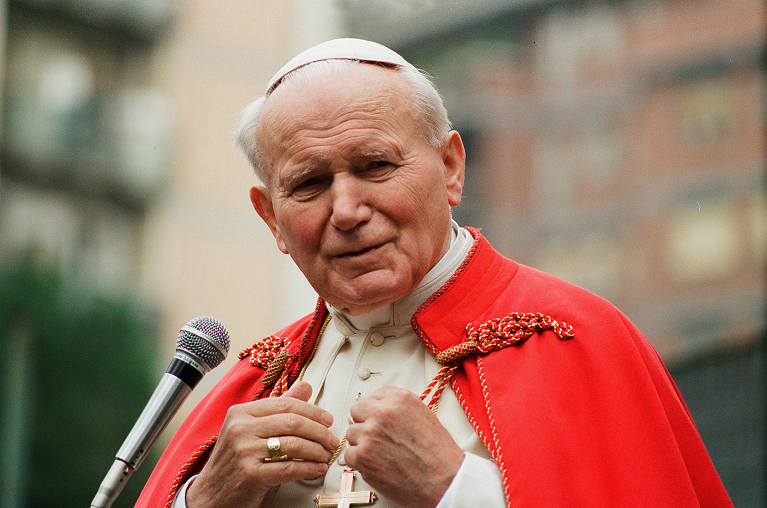
The John Paul II Vatican Foundation is a space where the legacy of the Polish Pope inspires concrete action.
See moreJohn Paul II established the Foundation by papal decree on the third anniversary of his election to the See of Peter, 16 October 1981. The Holy Father entrusted the Foundation with a special mission: to preserve, develop and pass on to future generations the heritage of his pontificate, to serve the values most important to him, and to care for students and pilgrims, as well as for Christian scholarship, culture and art. The Foundation is a Vatican institution and carries out its activities as a Church non-profit organisation.
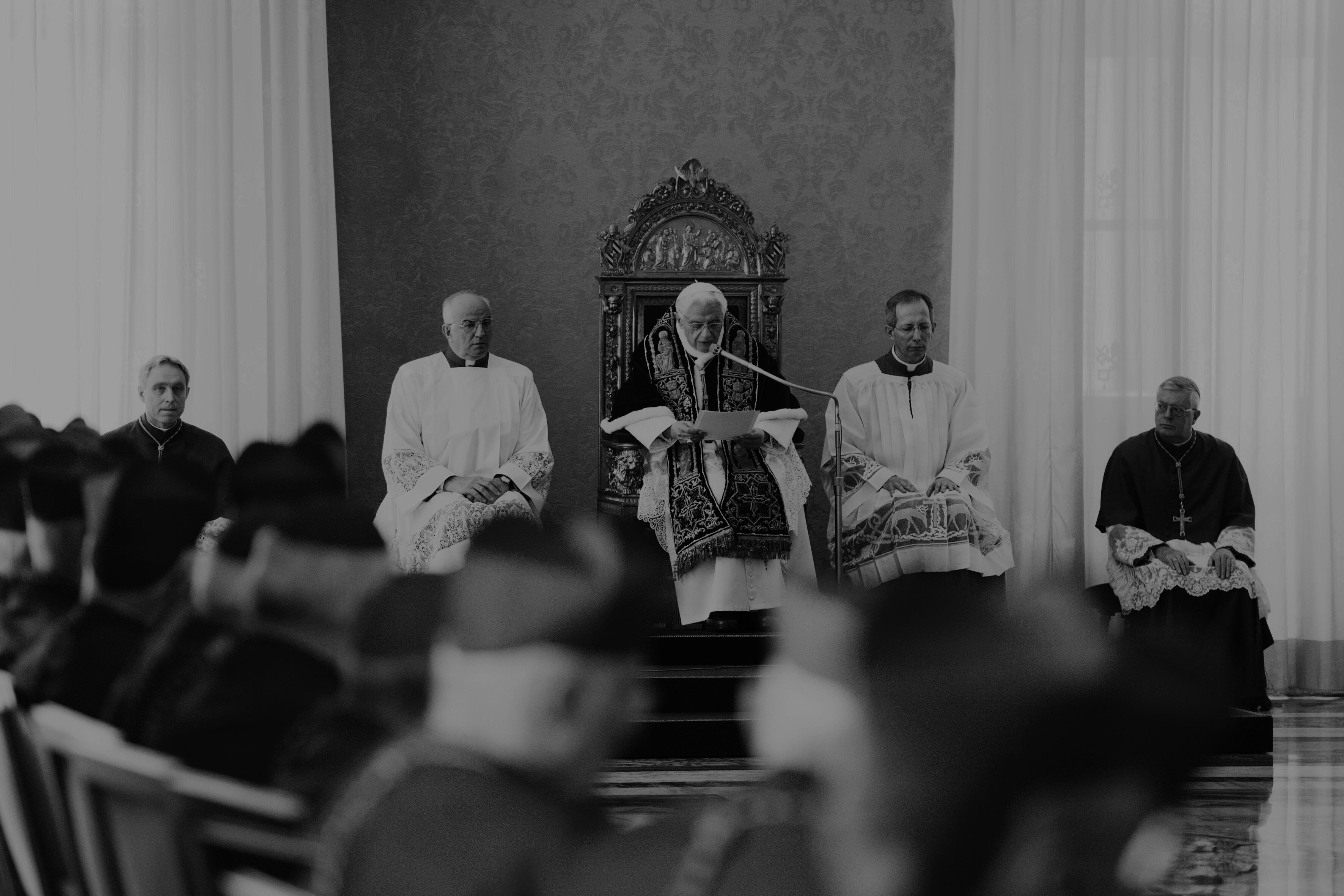
DO NOT ABANDON THIS GOOD WORK. MAY IT CONTINUE TO GROW.
Benedict XVI, 25th anniversary of the John Paul II Vatican Foundation, 2006
Founder
In 1938, Karol began Polish studies at the Jagiellonian University in Kraków, but World War II interrupted his education in 1939. From 1940 to 1944, he worked as a manual labourer in stone quarries and at the Solvay chemical plant, which protected him from deportation and allowed him to reflect deeply on his vocation. In these dramatic years, in 1942, he began formation at an underground seminary led by Archbishop (later Cardinal) Adam Stefan Sapieha. Concurrently, he co-founded the Rhapsodic Theatre, consciously striving to preserve the spirit of Polish culture during the occupation.
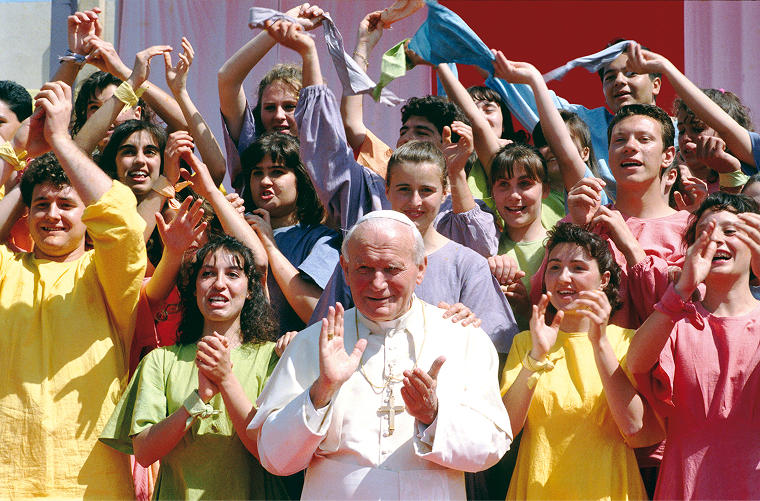
After the war, Wojtyła continued theological studies and was ordained a priest on 1 November 1946. He pursued doctoral studies in Rome (on the theology of St John of the Cross) and served as a vicar in Niegowić, and later in Kraków, which prepared him for his role as an academic chaplain. As a lecturer in moral theology and ethics at the Jagiellonian University and the Catholic University of Lublin, he gained recognition for the depth of his thought and his ability to engage in dialogue with young people. His exceptional personality led to a rapid ecclesiastical career: on 4 April 1958, he was appointed auxiliary bishop, on 13 January 1964, Archbishop of Kraków, and on 26 June 1967, cardinal. He actively participated in the Second Vatican Council, making a significant contribution, especially to the pastoral constitution Gaudium et spes.
He was elected Pope John Paul II on 16 October 1978. His pontificate was one of the longest, lasting nearly 27 years, and most transformative in the history of the Church. John Paul II undertook 104 apostolic journeys, becoming the ‘Pilgrim of Peace’ and opening the Church to the world as a man who both literally and figuratively built bridges between nations and religions. His pontificate was marked by dialogue with young people (initiating World Youth Day), a rich body of teaching (14 encyclicals and a body of documents that have shaped the Church’s teaching in the modern era), and an integral vision of a civilisation of love and an unwavering defence of human dignity. When John Paul II died on 2 April 2005, the faithful’s desire, expressed in the cry ‘Santo Subito!’, immediately emerged. John Paul II was beatified on 1 May 2011 by Pope Benedict XVI and canonised on 27 April 2014 by Pope Francis.
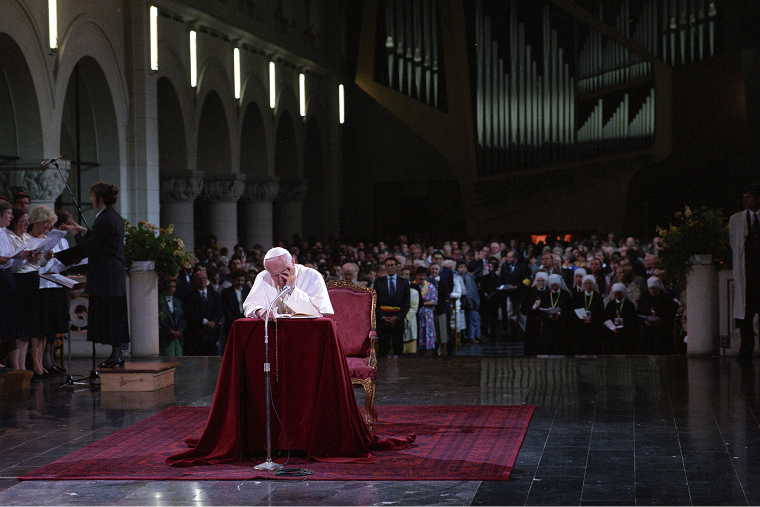
His life, shaped by suffering, prayer, a rich cultural formation and solidarity, forms the core identity of the John Paul II Vatican Foundation, which translates his legacy into concrete action in the world.
CENTRE FOR DOCUMENTATION AND STUDY OF THE PONTIFICATE
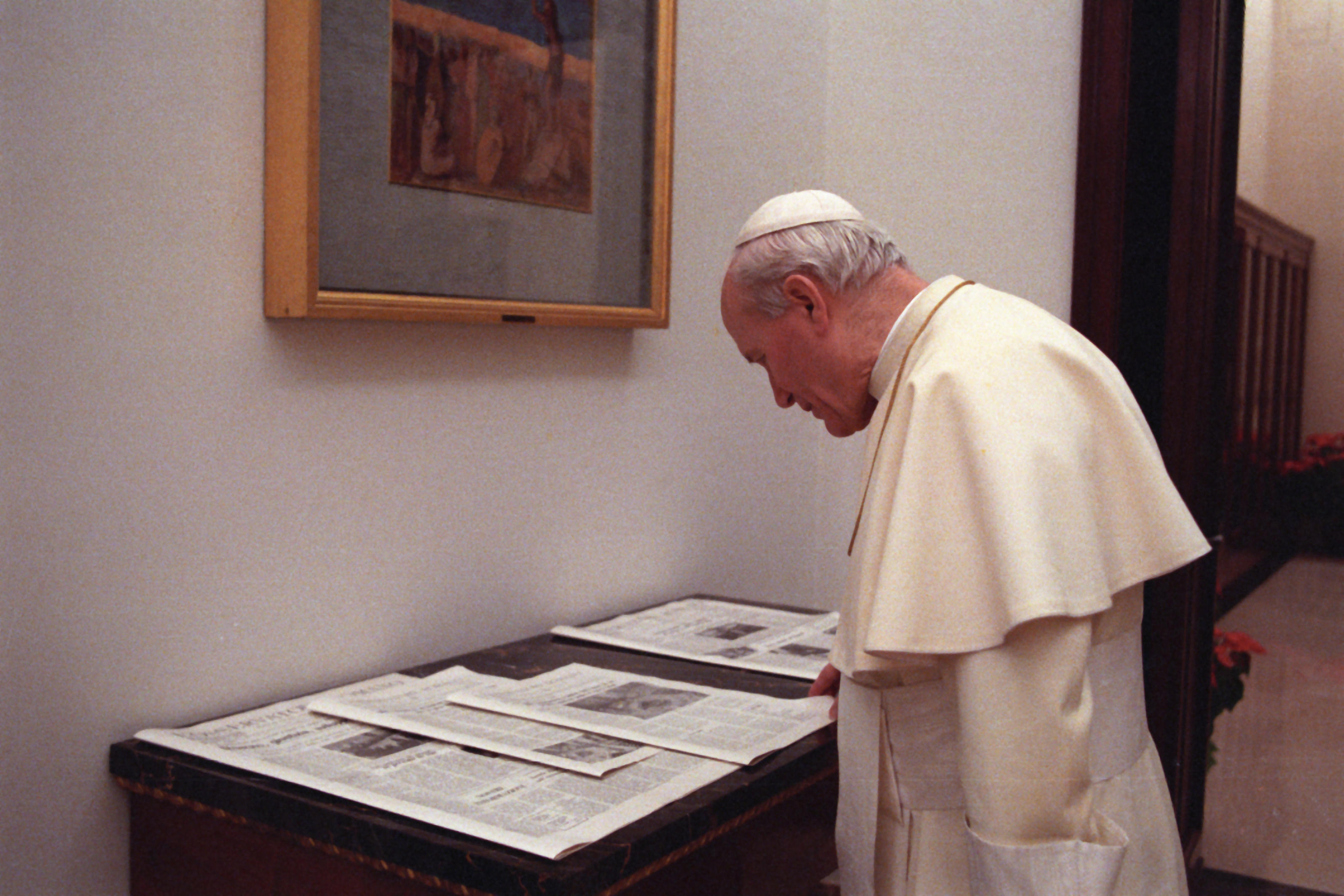
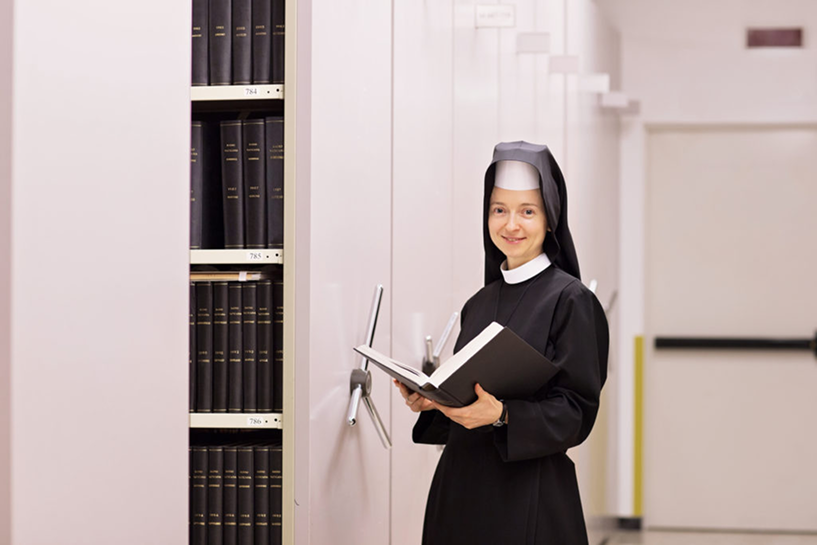
The Centre for Documentation and Study of the Pontificate of John Paul II in Rome is one of the key institutions of the Foundation.
It is one of the largest and one of the first academic institutions in the world dedicated to the teaching of John Paul II. The Centre, established by the Pope in 1981, collects and studies documents related to his pontificate, creating a body of knowledge that researchers, students, clergy and laity from around the world draw on. It is a place where history meets thought, and memory becomes a source of inspiration.
Documentation Centre website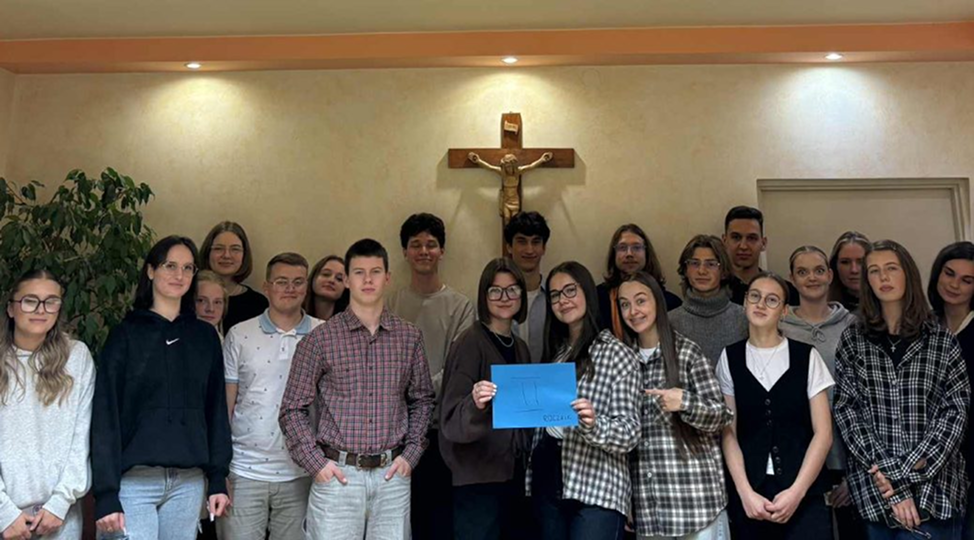
STUDENT HOUSE IN LUBLIN
It was created for young people from Central and Eastern Europe who wish to receive an education and formation in the spirit of the Gospel at a university inspired by St John Paul II.
This responds to St John Paul II’s desire to give young people, often growing up in difficult conditions, an opportunity for spiritual and intellectual development. Lublin, as an academic city, and the Catholic University of Lublin itself, became a natural place for the realisation of this idea. In the Residence, over 100 scholarship holders of the Foundation live and receive formation each academic year. To date, thanks to residence in the Student Residence as part of the Foundation’s scholarship scheme, over 1,000 people have graduated with a master’s degree.
Student Residence in Lublin website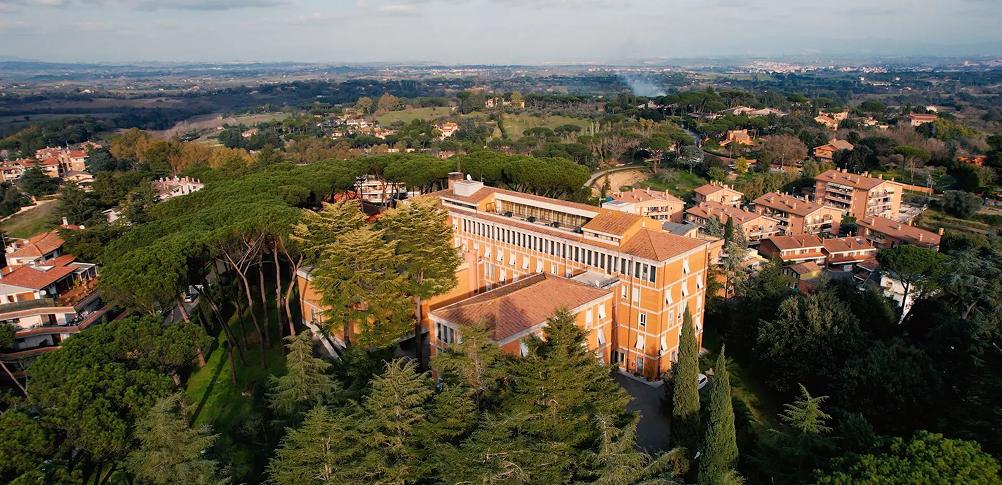
PILGRIM HOUSE IN ROME
The John Paul II Vatican Foundation has, almost since its inception, run a Pilgrim House in Rome known as the ‘John Paul II Polish House’.
This unique place, located in the northern part of the Eternal City (Via Cassia 1200), has been serving not only pilgrims from Poland but also people from all over the world for over forty years. The Pilgrim House was purchased for the Pope by the Polish diaspora in the first months of the Foundation’s activity and immediately became a place of meetings, prayer, rest, and various cultural events and academic conferences. The House was solemnly presented to the Pope during an audience on 7 November 1981, in the presence of Poles from 29 countries.
Pilgrim House in Rome websiteThis site uses cookies to analyse traffic. You can accept or decline analytics tracking. Learn more.